
Wrench
update
Auto Repair Insider
update
  • Home
  • Categories
    • Reputation
    • Local SEO
    • Social Media
    • Technology & AI
    • Customer Experience
    • Success Stories
    • Marketing
    • Strategy
    • Industry Insights
    • Extra News
    • Equipment & Tools
  • Podcast
2 Minutes Read

Why Employee Retention Is Key: The Toolbox Leaves Last

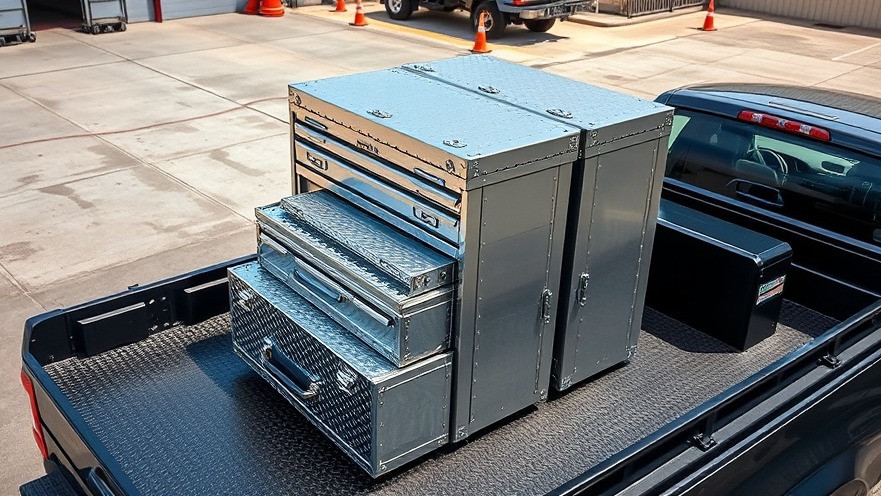
Sturdy metal tool chest on a flatbed truck emphasizing workforce stability and technician loyalty.


The Heart of Your Shop: Employee Retention Matters

For auto repair shop owners, the idea that a technician would leave for a position offering lower pay might seem unfathomable. Yet, this is a reality that occurs frequently in the industry. The question is: why would a skilled technician choose to leave? The answer often involves workplace culture and the emotional connection to the workplace. When technicians feel undervalued or entrapped in a toxic environment, their emotional investment—their heart—leaves first, often taking their toolbox with them as they exit.

Culture Over Compensation: Why Employees Leave

Mere monetary incentives fail to hold technicians in the long term. The cultural dynamics of a shop often dictate retention rates. A focus solely on acquiring talent can be counterproductive if the existing environment is negative or unwelcoming. As you strive to improve staff retention, it’s crucial to understand that once a technician begins to explore other opportunities, it usually indicates deeper issues at play.

Strategies for Fostering Loyalty: More Than Just Pay

While competitive wages and benefits are vital, they should not be the only line of defense against technician turnover. Several strategies can help shop owners foster loyalty and improve technician engagement:

  • Effective Communication: Regular one-on-ones between managers and technicians can deepen their connection, enabling you to understand what motivates them.

  • Career Development: Offering mentorship or training programs not only helps technicians grow but shows that you care about their futures.

  • Work-Life Balance: Many shops are beginning to implement flexible scheduling or four-day workweeks to accommodate personal lives, which can drastically improve morale.

  • Employee Recognition: Initiatives such as loyalty programs can reward commitment and hard work, making employees feel valued.

  • Inclusive Culture: Creating an environment that encourages open communication and collaboration can foster loyalty and reduce turnover.

The Financial Toll of Technician Turnover

Maintaining a stable workforce is beneficial not only for daily operations but also for your bottom line. The turnover of technicians can be financially devastating; studies reveal that replacing a skilled technician can cost shops between 1% to 2.5% of their total revenue. This includes lost business opportunities from open positions, onboarding new staff, and the training costs associated with bringing new hires up to speed.

The Future of Your Shop: Invest in Your Team

Investing in your technicians isn’t just about salary and health benefits; it’s about fostering an enriching environment that values their contributions. If shop owners shift their focus toward building meaningful relationships and supporting their team’s growth, they can create a culture that doesn’t just attract talent but keeps it.

Call to Action: Cultivate a Positive Work Environment

It’s imperative to understand that nurturing your team leads to long-term success for your shop. By fostering a supportive culture where technicians feel valued and invested in, you can significantly reduce turnover and improve the overall work environment. Take time to evaluate your shop today and identify areas for improvement. Implement strategies that elevate the technician experience, and watch as your business flourishes.


Industry Insights

0 Comments

Write A Comment

*
*
Please complete the captcha to submit your comment.
Related Posts All Posts

How the New Workforce Pell Grant Program Can Revolutionize Automotive Training

Learn about the Workforce Pell Grant program and its potential to revolutionize automotive training through financial support for short-term credential programs.

Maximize Profit Margins: Strategies for Tariff Survival in Auto Repair

Update Understanding Tariffs' Impact on Auto Repair Costs As the landscape of auto repair continues to evolve, tariffs have emerged as a pivotal force driving costs higher. These taxes on imported goods have a direct line into the repair industry, where many shops depend on overseas parts for a multitude of vehicles. If you've been feeling the pinch at your repair shop, you're not alone; these changes are reshaping the way businesses approach their operations. Why Are Tariffs Relevant Now? For years, the auto industry has endured a cascade of challenges, from the pandemic's toll on supply chains to ongoing labor shortages. Tariffs have entered this mix as an additional complication, resulting in unpredictable and often steep price increases that can obscure profit margins. As outlined by industry experts, a tariff isn't just a simple fee; it can lead to skyrocketing costs that reverberate throughout the supply chain, affecting everything from technical parts to general inventory. Adapting to the New Normal: Strategies for Success Successful repair shop owners are not merely reacting to these changes but are proactively developing strategies to mitigate their impact. Strong vendor relationships are critical; foster open lines of communication with your suppliers to keep ahead of price changes. For example, having a trusted vendor might grant you early insight into an upcoming price hike, allowing you to adjust your business model accordingly. Implementing a Pricing Matrix One effective tactic is implementing a pricing matrix. This tool helps shop owners adjust prices based on the changing cost of parts due to tariffs automatically. When a $100 part jumps to $150, a well-established pricing matrix will ensure that your markup increases proportionately, helping you maintain a stable profit margin without needing to alter prices constantly. Educating Customers on Value In this increasingly price-sensitive market, it’s vital for shops to communicate the value and quality of their services to customers. When repair costs rise, explaining to clients why these costs have increased—such as through increased tariff fees—can foster understanding and loyalty. Establishing transparency within your pricing strategy creates an environment of trust where customers feel valued and informed. Leveraging Preventive Maintenance Beyond the immediate ramifications of rising costs, shop owners should pivot to preventive maintenance to reduce longer-term expenditures. Regular upkeep not only helps avoid sudden repair costs but also reinforces the shop's role as a trusted advisor who prioritizes their customers’ needs. The old adage rings true: an ounce of prevention is worth a pound of cure. Future Outlook: Navigating Economic Uncertainty As the auto repair industry continues to grapple with these economic fluctuations, those who can adapt will thrive. The upside? Repair shops may find themselves inundated with business as consumers opt to service existing vehicles rather than purchasing new ones, rendering effective pricing strategies more critical than ever. Ensuring your operations are resilient in the face of tariffs will help secure your shop’s longevity. Take Action: Prepare for the Changes Ahead The time to act is now. Review your vendor contracts, implement a dynamic pricing strategy, and focus on preventive care as you restructure your approach in light of these tariff impacts. The future may be uncertain, but informed decisions backed by systematic planning can help shield your business from the volatile winds of change.

Transform Your Auto Repair Shop: From Surviving to Thriving with Strong Financial Mindset

Discover how adopting the right Mindset can lead to better profitability and success in your auto repair shop.

Terms of Service

Privacy Policy

Core Modal Title

Sorry, no results found

You Might Find These Articles Interesting

T
Please Check Your Email
We Will Be Following Up Shortly
*
*
*