
Wrench
update
Auto Repair Insider
update
  • Home
  • Categories
    • Reputation
    • Local SEO
    • Social Media
    • Technology & AI
    • Customer Experience
    • Success Stories
    • Marketing
    • Strategy
    • Industry Insights
    • Extra News
    • Equipment & Tools
  • Podcast
August 12.2025
3 Minutes Read

Understanding Electric Vehicle Range: A Guide for Auto Repair Shop Owners

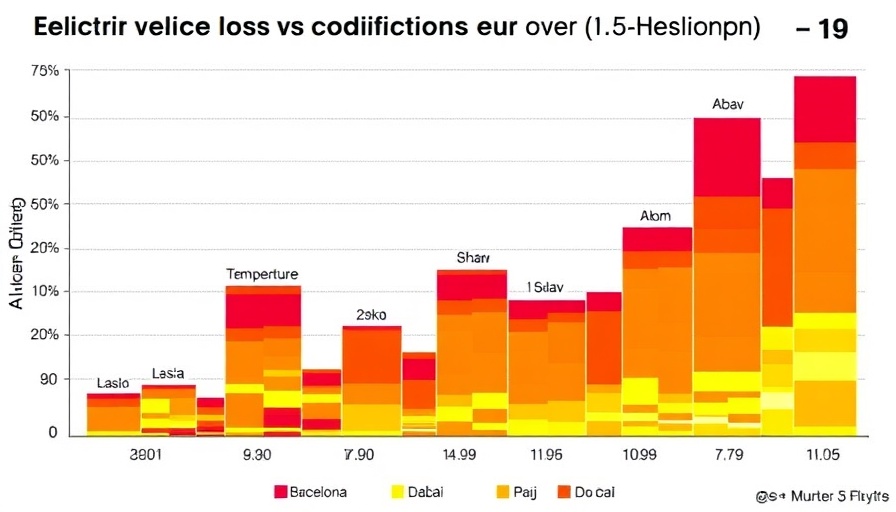
Bar chart on electric vehicle range loss with AC or heating.

The Growing Importance of Electric Vehicle Range

Electric vehicle (EV) range often lies at the heart of consumer decision-making. For auto repair shop owners, understanding this selling point is crucial not just for their customers but for their operations as well. Many buyers are lured in by the high performance numbers that manufacturers advertise, yet when it comes to reality, those numbers often fall short. According to recent research from S&P Global Mobility, the average driver experiences a significant discrepancy between the advertised range of an EV and its real-world performance. Understanding these nuances not only helps shop owners address customer concerns but positions them as informed advisors in the EV conversation.

Bridging the Gap: Advertised vs. Actual Range

While many manufacturers provide impressive ranges for their vehicles, these figures are often derived from standardized tests, which do not reflect typical driving conditions. Factors such as driving habits, terrain, and even weather can massively influence actual performance. For instance, more aggressive driving or hilly terrains can lead to reduced range, leaving some customers disappointed after they make a purchase. As automotive professionals, repair shop owners can serve as the bridge between manufacturers and consumers, educating clients about the real capabilities of their EVs, and perhaps reducing some of that charging anxiety that comes with range apprehension.

Climate Considerations: Understanding Environmental Impact on Range

Different climates can drastically impact the range that electric vehicles achieve, adding another layer of complexity to the EV conversation. Research indicates that extreme temperatures can impair battery performance significantly. For example, an EV in a hot desert environment can face up to a 20% reduction in its advertised range. With climate differences impacting consumer experiences, auto repair shops in diverse regions should consider these elements when engaging with customers about EV performance. Having this knowledge positions shop owners as credible sources, fostering trust and strengthening their customer relationships.

Strategies for Improving Customer Knowledge

Awareness is key. By encouraging discussions around how range is affected by various factors, repair shop owners can alleviate customer worries and misconceptions. Offer workshops or informational sessions that explain how driving styles, maintenance, and environmental conditions can affect performance. Show customers what they can do to improve their EVs’ efficiency—like proper tire pressure or battery maintenance. Not only does this help in building customer loyalty, but it also showcases the shop as a value-added service, elevating overall performance in the competitive market.

Looking Forward: The Future of EVs and Possible Trends

As EV adoption rises, so too does scrutiny over their performance claims. This presents unique opportunities for repair shops to adapt their services and expand their offerings. For instance, consider investing in training programs for technicians to deal with emerging EV technologies. With advancements in battery technology promised, consumers may soon have access to EVs that deliver on their range promises more reliably than ever before. Being ahead of these trends not only prepares shops for future challenges but also positions them as leaders within the automotive community.

Cultivating Trust Through Transparency

Ultimately, the key to mitigating consumers' range anxiety lies in honest dialogue. Auto repair shops can foster trust by providing transparent information about what customers can expect from their EVs. By combining the latest data, industry insights, and real-world experiences, shops can help dispel myths surrounding EV performance and truly serve their customers' needs. Making customers feel informed and secure in their purchase can lead to increased customer retention and word-of-mouth referrals.

In summary, understanding the intricacies of electric vehicle range is vital for automotive repair shop owners. By bridging the gap between advertised promises and actual performance, climate considerations, and fostering customer trust through transparency, shop owners can navigate this dynamic market more confidently and effectively.

Industry Insights

0 Comments

Write A Comment

*
*
Please complete the captcha to submit your comment.
Related Posts All Posts

How the New Workforce Pell Grant Program Can Revolutionize Automotive Training

Learn about the Workforce Pell Grant program and its potential to revolutionize automotive training through financial support for short-term credential programs.

Maximize Profit Margins: Strategies for Tariff Survival in Auto Repair

Update Understanding Tariffs' Impact on Auto Repair Costs As the landscape of auto repair continues to evolve, tariffs have emerged as a pivotal force driving costs higher. These taxes on imported goods have a direct line into the repair industry, where many shops depend on overseas parts for a multitude of vehicles. If you've been feeling the pinch at your repair shop, you're not alone; these changes are reshaping the way businesses approach their operations. Why Are Tariffs Relevant Now? For years, the auto industry has endured a cascade of challenges, from the pandemic's toll on supply chains to ongoing labor shortages. Tariffs have entered this mix as an additional complication, resulting in unpredictable and often steep price increases that can obscure profit margins. As outlined by industry experts, a tariff isn't just a simple fee; it can lead to skyrocketing costs that reverberate throughout the supply chain, affecting everything from technical parts to general inventory. Adapting to the New Normal: Strategies for Success Successful repair shop owners are not merely reacting to these changes but are proactively developing strategies to mitigate their impact. Strong vendor relationships are critical; foster open lines of communication with your suppliers to keep ahead of price changes. For example, having a trusted vendor might grant you early insight into an upcoming price hike, allowing you to adjust your business model accordingly. Implementing a Pricing Matrix One effective tactic is implementing a pricing matrix. This tool helps shop owners adjust prices based on the changing cost of parts due to tariffs automatically. When a $100 part jumps to $150, a well-established pricing matrix will ensure that your markup increases proportionately, helping you maintain a stable profit margin without needing to alter prices constantly. Educating Customers on Value In this increasingly price-sensitive market, it’s vital for shops to communicate the value and quality of their services to customers. When repair costs rise, explaining to clients why these costs have increased—such as through increased tariff fees—can foster understanding and loyalty. Establishing transparency within your pricing strategy creates an environment of trust where customers feel valued and informed. Leveraging Preventive Maintenance Beyond the immediate ramifications of rising costs, shop owners should pivot to preventive maintenance to reduce longer-term expenditures. Regular upkeep not only helps avoid sudden repair costs but also reinforces the shop's role as a trusted advisor who prioritizes their customers’ needs. The old adage rings true: an ounce of prevention is worth a pound of cure. Future Outlook: Navigating Economic Uncertainty As the auto repair industry continues to grapple with these economic fluctuations, those who can adapt will thrive. The upside? Repair shops may find themselves inundated with business as consumers opt to service existing vehicles rather than purchasing new ones, rendering effective pricing strategies more critical than ever. Ensuring your operations are resilient in the face of tariffs will help secure your shop’s longevity. Take Action: Prepare for the Changes Ahead The time to act is now. Review your vendor contracts, implement a dynamic pricing strategy, and focus on preventive care as you restructure your approach in light of these tariff impacts. The future may be uncertain, but informed decisions backed by systematic planning can help shield your business from the volatile winds of change.

Transform Your Auto Repair Shop: From Surviving to Thriving with Strong Financial Mindset

Discover how adopting the right Mindset can lead to better profitability and success in your auto repair shop.

Terms of Service

Privacy Policy

Core Modal Title

Sorry, no results found

You Might Find These Articles Interesting

T
Please Check Your Email
We Will Be Following Up Shortly
*
*
*