
Wrench
update
Auto Repair Insider
update
  • Home
  • Categories
    • Reputation
    • Local SEO
    • Social Media
    • Technology & AI
    • Customer Experience
    • Success Stories
    • Marketing
    • Strategy
    • Industry Insights
    • Extra News
    • Equipment & Tools
  • Podcast
2 Minutes Read

AI Adoption Challenges in Transport: Insights for Auto Repair Shops

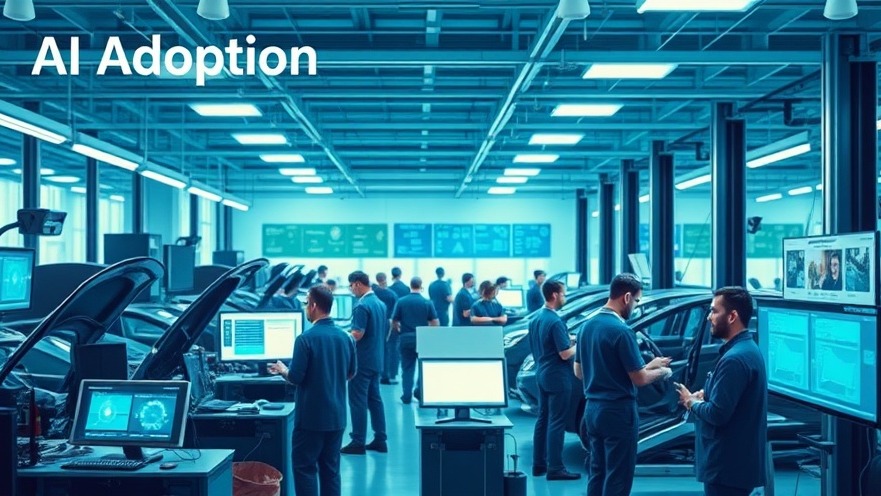
Modern auto repair shop with automotive repair technology and vibrant AI tools.


Understanding the Challenges of AI in Transport and Shipping

Artificial Intelligence (AI) is making waves in various industries, and transport and shipping are no exceptions. However, many companies in the U.S. face significant hurdles in adopting these advanced technologies. For auto repair shop owners, understanding these challenges can provide insights into how AI might influence their operations in the future.

How Will AI Change the Transport and Shipping Landscape?

AI tools can play a critical role in optimizing logistics, predicting maintenance needs, and even enhancing customer service. As transport companies grapple with integrating AI into their systems, knowledge of successful implementations can shed light on what repair shops might experience. For instance, automating scheduling and enhancing communication with customers through AI chatbots can streamline operations and elevate customer satisfaction, much like it can in shipping.

Insights from Industry Experts

Experts suggest that a necessary step towards successful AI integration is workforce training. Many employees in transport may lack the technical skills to work alongside AI systems. Similarly, workshop staff might also need training to operate new tools or systems introduced alongside AI advancements in repair technology.

Identifying Areas of Opportunity in AI Adoption

While challenges abound, there are numerous opportunities for transport and shipping companies willing to navigate the AI landscape. Some companies have started using AI to enhance route optimization, resulting in reduced fuel expenses and better delivery timelines. For auto repair shop owners, exploring similar technologies like predictive maintenance systems could significantly improve shop efficiency and customer loyalty.

The Importance of Collaboration to Overcome AI Adoption Hurdles

AI should not be solely viewed as a technology implementation; it should be seen as a complete transformation of business processes. In transport, collaboration among staff, vendors, and tech providers has proven essential. Repair shops that foster a culture of innovation and openness when incorporating new technologies will likely see a more seamless transition.

Future Trends: Preparing for Tomorrow's Challenges

Looking ahead, the trend of integrating AI into transport is set to expand. For repair shop owners, staying ahead of these trends can position shops well within the competitive market. Concepts such as AI-driven customer management systems and virtual assistance tools could refine the customer experience, solidifying customer loyalty through better engagement.

Making Decisions Based on Informed Insights

As AI continues to evolve, understanding its implications for transport and shipping will benefit repair shop owners. By keeping abreast of technological trends in related industries, business owners can make more informed decisions about their own operations and potential technology adoption.

In Conclusion: Embrace Change, Reap Rewards

AI adoption might seem daunting, but it also opens doors to efficiency and enhanced customer interactions. Repair shops that stay informed about advancements and collaborate effectively will be in a prime position to thrive as industry leaders.


Industry Insights

0 Comments

Write A Comment

*
*
Please complete the captcha to submit your comment.
Related Posts All Posts

How the New Workforce Pell Grant Program Can Revolutionize Automotive Training

Learn about the Workforce Pell Grant program and its potential to revolutionize automotive training through financial support for short-term credential programs.

Maximize Profit Margins: Strategies for Tariff Survival in Auto Repair

Update Understanding Tariffs' Impact on Auto Repair Costs As the landscape of auto repair continues to evolve, tariffs have emerged as a pivotal force driving costs higher. These taxes on imported goods have a direct line into the repair industry, where many shops depend on overseas parts for a multitude of vehicles. If you've been feeling the pinch at your repair shop, you're not alone; these changes are reshaping the way businesses approach their operations. Why Are Tariffs Relevant Now? For years, the auto industry has endured a cascade of challenges, from the pandemic's toll on supply chains to ongoing labor shortages. Tariffs have entered this mix as an additional complication, resulting in unpredictable and often steep price increases that can obscure profit margins. As outlined by industry experts, a tariff isn't just a simple fee; it can lead to skyrocketing costs that reverberate throughout the supply chain, affecting everything from technical parts to general inventory. Adapting to the New Normal: Strategies for Success Successful repair shop owners are not merely reacting to these changes but are proactively developing strategies to mitigate their impact. Strong vendor relationships are critical; foster open lines of communication with your suppliers to keep ahead of price changes. For example, having a trusted vendor might grant you early insight into an upcoming price hike, allowing you to adjust your business model accordingly. Implementing a Pricing Matrix One effective tactic is implementing a pricing matrix. This tool helps shop owners adjust prices based on the changing cost of parts due to tariffs automatically. When a $100 part jumps to $150, a well-established pricing matrix will ensure that your markup increases proportionately, helping you maintain a stable profit margin without needing to alter prices constantly. Educating Customers on Value In this increasingly price-sensitive market, it’s vital for shops to communicate the value and quality of their services to customers. When repair costs rise, explaining to clients why these costs have increased—such as through increased tariff fees—can foster understanding and loyalty. Establishing transparency within your pricing strategy creates an environment of trust where customers feel valued and informed. Leveraging Preventive Maintenance Beyond the immediate ramifications of rising costs, shop owners should pivot to preventive maintenance to reduce longer-term expenditures. Regular upkeep not only helps avoid sudden repair costs but also reinforces the shop's role as a trusted advisor who prioritizes their customers’ needs. The old adage rings true: an ounce of prevention is worth a pound of cure. Future Outlook: Navigating Economic Uncertainty As the auto repair industry continues to grapple with these economic fluctuations, those who can adapt will thrive. The upside? Repair shops may find themselves inundated with business as consumers opt to service existing vehicles rather than purchasing new ones, rendering effective pricing strategies more critical than ever. Ensuring your operations are resilient in the face of tariffs will help secure your shop’s longevity. Take Action: Prepare for the Changes Ahead The time to act is now. Review your vendor contracts, implement a dynamic pricing strategy, and focus on preventive care as you restructure your approach in light of these tariff impacts. The future may be uncertain, but informed decisions backed by systematic planning can help shield your business from the volatile winds of change.

Transform Your Auto Repair Shop: From Surviving to Thriving with Strong Financial Mindset

Discover how adopting the right Mindset can lead to better profitability and success in your auto repair shop.

Terms of Service

Privacy Policy

Core Modal Title

Sorry, no results found

You Might Find These Articles Interesting

T
Please Check Your Email
We Will Be Following Up Shortly
*
*
*